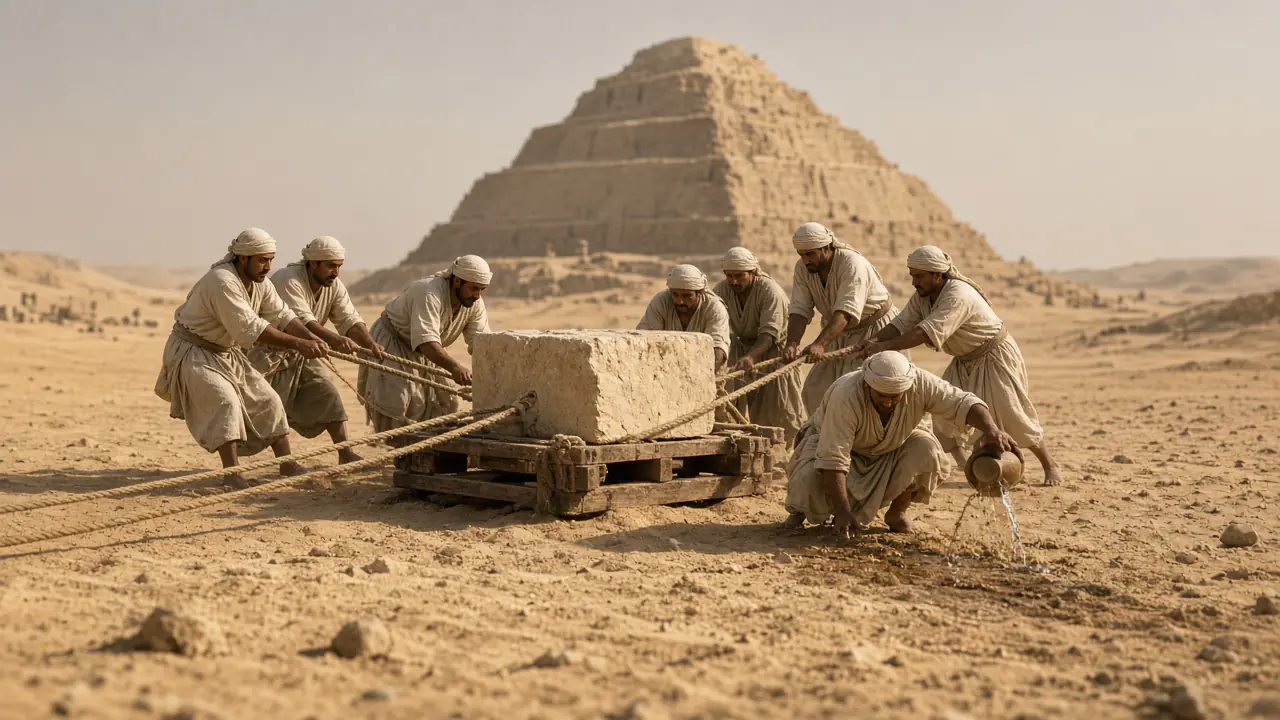
Scribe
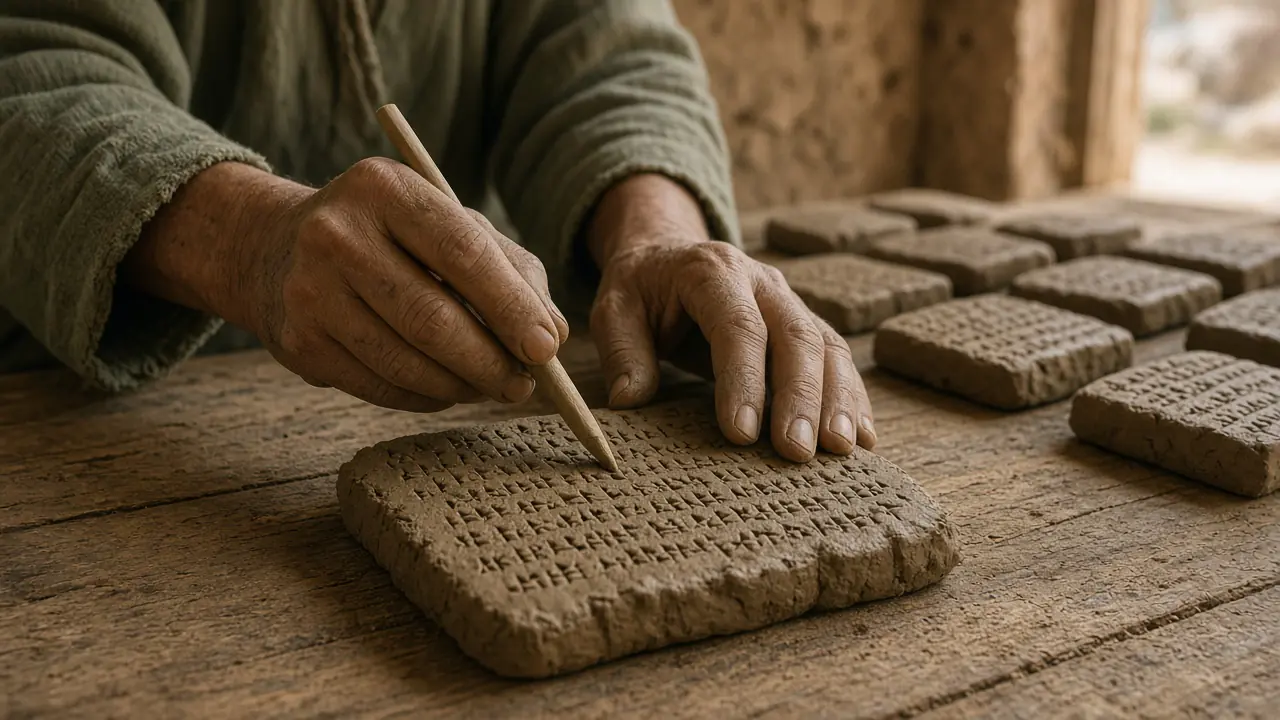
Copy the words of others onto wet clay, one wedge at a time. The tablet has already been photographed. Your supervisor would still like it done properly.
 c. 3200 BC – AD 1450
About the role
For four thousand years, if something needed remembering, a scribe wrote it down: harvests, debts, treaties and the occasional complaint about copper. It was one of the most respected jobs in the ancient world, and one of the hardest to get.
At the House of Tablets, you'll sit cross-legged with a reed stylus and copy an existing tablet onto a fresh one, line by line. The original will be checked against yours. Small mistakes will be noticed, and kindly corrected, by someone who has been doing this far longer than you.
What you'll do
- Prepare fresh clay each morning and keep it damp until midday.
- Copy one tablet per shift, wedge for wedge, in the correct order.
- Present your work to the supervising scribe and accept their notes with grace.
- Recite the sign list aloud with the other trainees after lunch.
- Sweep the courtyard, as junior scribes always have.
What we're looking for
- Steady hands and good posture on a reed mat.
- Patience with a writing system of six hundred signs.
- Willingness to start again when the clay dries.
- Respect for seniority, and for the stylus.
Perks
- Your own reed stylusCut to fit your hand. Replaced when it splits, which is often.
- A shaded courtyardWork stops at midday, when the sun makes the clay impossible.
- A seal with your namePressed into every tablet you finish. Proof you were here.