Steam Locomotive Fireman
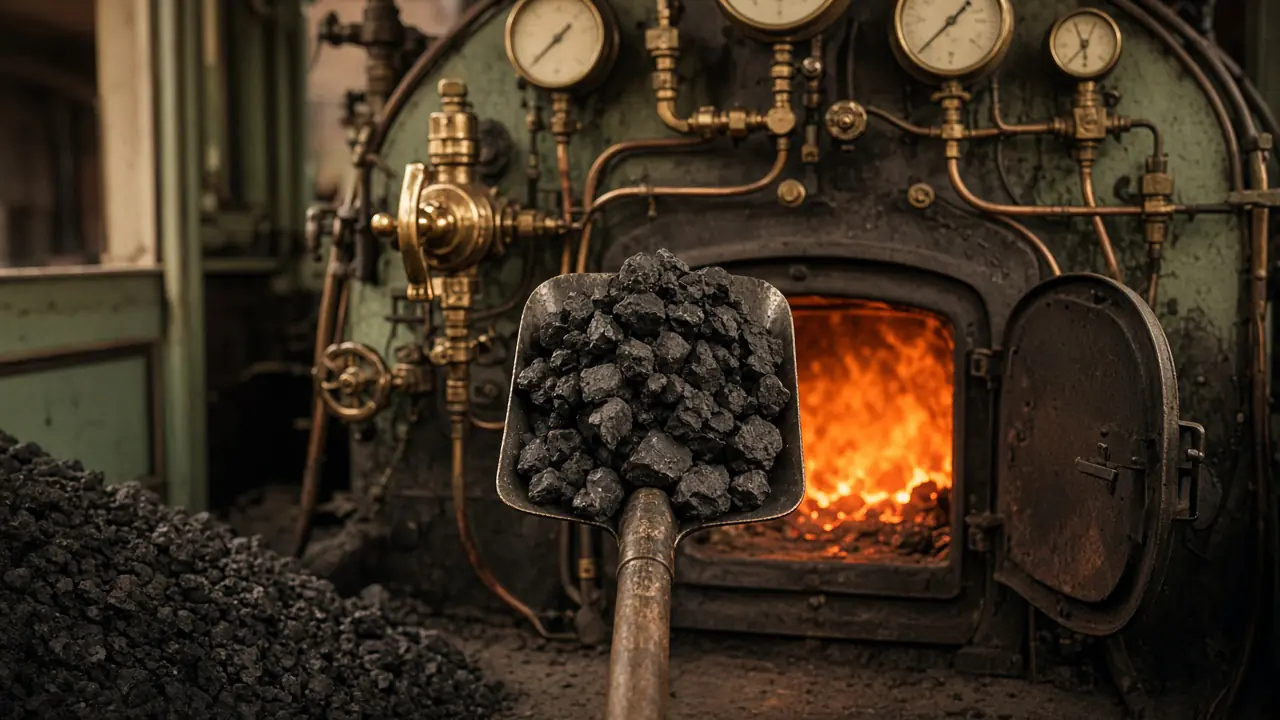
Shovel coal into the firebox of a steam locomotive and keep the pressure up for a twelve-mile run that ends where it started. The driver gets the whistle. You get the shovel.
 1830 – 1968
About the role
For more than a century, every steam train had two people on the footplate: a driver at the controls and a fireman feeding the fire. A fireman could shovel several tons of coal in a shift, keeping the steam up and the boiler full, on a floor that swayed and an open fire at knee height. Most drivers had started as firemen. Then diesel arrived, and in Britain the last steam trains ran in 1968.
On the Pennine Loop Replica, you'll fire a restored tank engine around twelve miles of track that begins and ends at the same platform. Your driver, Walter, will watch the pressure gauge and tell you, without turning round, when it's dropping. The passengers are members in their Sunday best. They'll wave at every level crossing. You'll wave back with a black hand.
What you'll do
- Light the fire at dawn and raise steam before the first departure.
- Shovel little and often, into the back corners first.
- Keep the water in the gauge glass, and never let it drop out of sight.
- Watch for signals on your side of the line and call them to the driver.
- Keep the safety valve quiet. A blowing valve is wasted coal, and Walter will mention it.
What we're looking for
- Strong arms and a stronger back.
- Good balance on a floor that moves.
- Comfort with heat, soot and a driver who doesn't say much.
- Overalls you don't mind ruining.
Perks
- A warm workplaceAn open fire at knee height, all year round. You'll never be cold at work again.
- Breakfast on the shovelBacon and eggs, cooked in the firebox, the way firemen always did.
- One pull of the whistleAt the end of your last run. Walter has agreed, in principle.